8 Google Terms Every Recruiters Need to Know

August 6, 2021

Small businesses must complete a few major tasks in order for customers to find them online. Mastering Google My Business is one of their first action items.


Consumers today use their phones to locate nearby services ranging from a recruitment agency, real estate attorney to a gelato shop. The companies that put the most effort into their Google My Business listings and cultivate their online reviews are more likely to appear in the top search results.


Google My Business


This is a free service provided by Google that consolidates business information into a single tidy listing. It is commonly referred to as GMB. The best GMB listings will help consumers find a business on Google web search, which accounts for 86.86 percent of all global online searches.

The most complete — or “optimized” — GMB listings include a website link, business address (which populates directions, thanks to Google Maps), hours of operation, frequently asked questions, pricing, photos of the business, Google Posts, Google reviews and the business’s star rating.


Google Posts


Google Posts is a tool that is vastly under-utilized. When searchers click on the search result listing, they get more information from these Posts. The posts are listed below the address and contact information. Businesses can use them in the same way that they would a Facebook post. They can publish events, promotions, updates, product launches, and other information.


They should, like any good post, include a photo, description, and a call-to-action, such as "learn more" or "visit the website or physical location." Google Posts are an excellent way to keep a GMB listing updated with new content, which Google rewards with higher search rankings. Also, unless they are time-sensitive, such as an event, Google Posts expire after 7 days.


If you use the Products Post feature, posts will remain on your listing and help your SEO.


Google Places and Google+


Earlier versions of Google listings that eventually became Google My Business, which launched in 2014.


Google Guaranteed. 


This is a badge with a white check mark in a green circle that appears in some Google search results. To apply for the badge, businesses must purchase Google Ads. Google will evaluate the company's eligibility for the program. If a customer arrives at the business via Google and is dissatisfied with the service, Google may refund the amount paid (up to $2,000).


Local Citations.


This term refers to any online listing that includes a company's name, contact information, address, description, and other details. It is critical to be aware of any local citations about your company so that you can ensure their accuracy.


Reserve with Google


Reserve with Google is a relatively new service that allows customers to reserve a table or book a service appointment directly from the business's Google search results. For the time being, Google is restricting this service to dining, ticketed events, fitness, and beauty. It provides an additional online convenience for these types of businesses.


GMB Insights


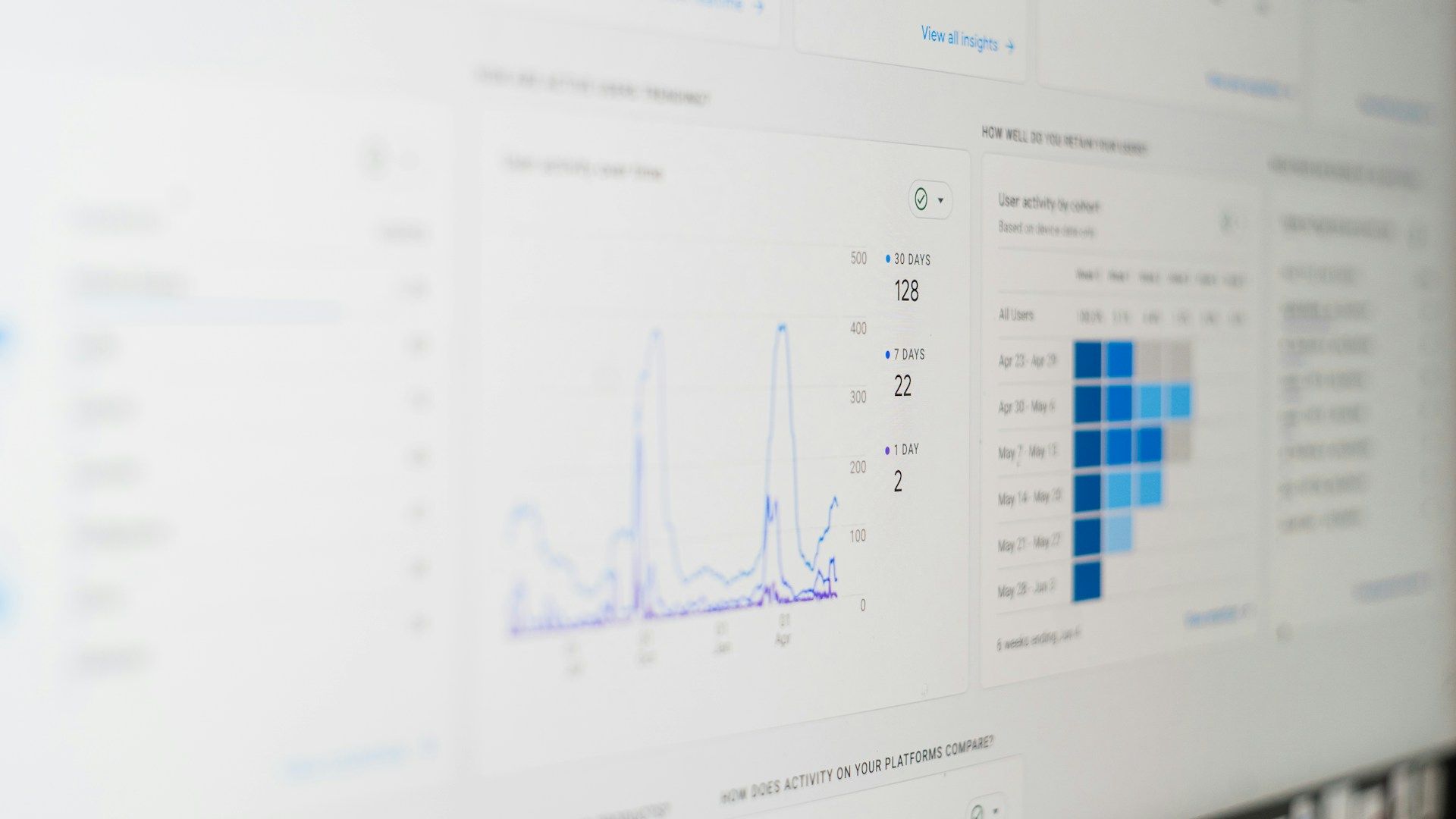
Google My Business Insights reports on how many people viewed your listing, how and where they found it, any actions they took as a result of your listing (for example, visiting your website or calling your business), and any other actions, such as clicking a Google Post or requesting directions.


Local 3 Pack or Map Pack


Also known as the "local pack" or "3 pack," Google used to refer to it as the "7 pack," but it has since been reduced to the top three organic listings with the best, most complete Google My Business listings. These organic results may appear below ads for other local listings on Google.


Why not try out the Shazamme marketing dashboard to help you easily post to Google my business and many other social platforms as well as obtain reviews and much more ...

November 26, 2025
Discover how smart, trackable email marketing helps recruitment agencies attract employers and engage passive job seekers.
November 26, 2025
Understand the difference between SEO and AEO for recruitment websites. Learn how to optimize your site for Google and AI search engines to attract more candidates and clients.
November 26, 2025
See how to connect your email marketing, smart website forms, and ATS to track every lead. Discover how integrated recruitment marketing delivers measurable ROI and business growth.
November 26, 2025
Find out why recruitment websites fail to rank and how to fix it fast. Improve visibility with SEO, AEO, native job hosting, and ATS-integrated tracking that drives measurable results.
November 26, 2025
Discover how AI, SEO, and AEO are transforming recruitment marketing. Learn how to make your recruitment website rank, attract employers and candidates, and track ROI through ATS and email integration.
By Nicole Clarke October 28, 2025
How to Track Your LinkedIn Leads (and Finally See What’s Working) Most recruitment agencies post regularly on LinkedIn, but few actually know what’s working. You might get great engagement, but how do you know if those likes and clicks are turning into new clients or candidate enquiries? If you’re not tracking your leads, you’re flying blind. The good news is that it’s incredibly easy to fix. You just need a simple setup using UTM tracking and Google Analytics (GA4) . Here’s how to do it properly so you can see exactly which posts, people, and campaigns are driving real results. Step 1: Add UTM Links to Every LinkedIn Post Whenever you share a link on LinkedIn, whether it’s to a job, a blog, other content or a “book a demo” page etc you should add a little bit of tracking code at the end of your URL. This code is called a UTM , and it tells you exactly where your traffic came from once people land on your website. Example: https://www.xyzrecruitment.com/book-demo?utm_source=linkedin&utm_medium=social&utm_campaign=demo_launch&utm_content=post1 Here’s what each tag means: utm_source=linkedin → tells you the traffic came from LinkedIn utm_medium=social → identifies it as an organic social post utm_campaign=demo_launch → labels your specific campaign utm_content=post1 → helps you see which post or person shared it You can use Google’s free Campaign URL Builder to generate these in seconds. Step 2: Use Tagged Links in Every Post and Profile Once you’ve created your UTM-tagged links, use them everywhere you share links from LinkedIn: Company updates Recruiter and consultant posts LinkedIn articles or newsletters Comments and DMs If multiple people in your team are posting, give each person their own UTM content tag (for example: utm_content=sarah_post or utm_content=liam_article ) so you can easily see who’s driving the most traffic or conversions. Step 3: Track the Results in Google Analytics 4 With your UTM links live, it’s time to see what’s working. In Google Analytics (GA4) , go to: Reports → Acquisition → Traffic Acquisition Filter by: Source / Medium = linkedin / social Now you’ll see: How many visitors came from LinkedIn Which pages they viewed Whether they filled out a form, booked a demo, or applied for a role That’s how you finally connect your LinkedIn activity to actual business outcomes. Step 4: If You Run Paid Ads — Connect LinkedIn to GA4 If you’re also running LinkedIn Ads , connect your LinkedIn Campaign Manager to GA4 . This gives you the complete picture, not just clicks and impressions, but which ads and audiences are driving conversions. Step 5: Create a Simple Dashboard Once you’re tracking everything, pull it together in a Google Looker Studio (Data Studio) dashboard. You’ll get a clear visual of: Traffic from LinkedIn (organic + paid) Conversions by campaign Which recruiters generate the most leads Your overall ROI from LinkedIn It’s simple, visual, and finally gives you proof of what’s working. Why This Matters for Recruitment Agencies Without UTM tracking, your LinkedIn traffic shows up in Google Analytics as “direct” or “referral”, which tells you nothing. With proper tracking, you’ll know: Which campaigns or posts bring in new client leads Which recruiters or consultants drive the most engagement What content types actually convert It’s not about guessing, it’s about growing with real data. Quick Recap Step 1: Add UTM links to every LinkedIn post — Tracks traffic accurately Step 2: Use consistent naming — Keeps your data clean Step 3: Check GA4 reports — See conversions clearly Step 4: Connect LinkedIn Ads — Measure full ROI Step 5: Build a dashboard — See what’s working at a glance Final Tip Consistency is key! One untagged link can throw off your data. Once you start tracking properly, you’ll quickly see which content drives leads and where to focus your marketing energy next. If you’d like help setting up UTM links or building a simple LinkedIn-to-GA4 dashboard, contact the team at www.shazamme.com we can show you exactly how to do it right!
Show More